Introduction: My First Experience Using Public Transport in Dubai
When I first landed in Dubai, I assumed I’d be relying heavily on taxis. But within a day, I realized something surprising, the public transport system here is not just efficient, it’s incredibly easy to use.
In my experience, once you understand how the system works, especially the Nol Card, getting around Dubai becomes simple, affordable, and even enjoyable.
This guide is based on real exploration, research, and practical use. Whether you’re a tourist or a first-time resident, I’ll walk you through everything step by step.
Overview
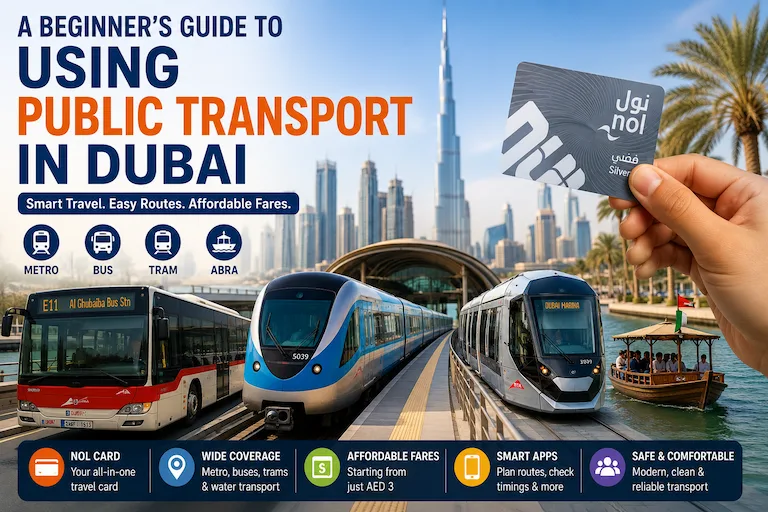
Dubai offers one of the most advanced and integrated public transport systems in the world, managed by the Roads and Transport Authority (RTA). With options like the metro, buses, trams, and water taxis, travelers can move efficiently across the city using a single Nol card. The system is affordable, tourist-friendly, and designed for convenience, making it one of the best ways to explore Dubai without relying on private transport.
Understanding Dubai Public Transport System
The entire transport network in Dubai is managed by the Roads and Transport Authority (RTA). What impressed me most is how everything is interconnected, you can switch from metro to bus to tram using the same card.
Dubai’s system includes:
- Dubai Metro
- Dubai Bus
- Dubai Tram
- Dubai Water Transport
- Palm Monorail
In my experience, this level of connectivity means you rarely feel stuck or confused.
Step 1: Get Your Nol Card (Your Travel Lifeline)
If there’s one thing you need to understand first, it’s the Nol card. Think of it as your all-in-one ticket.
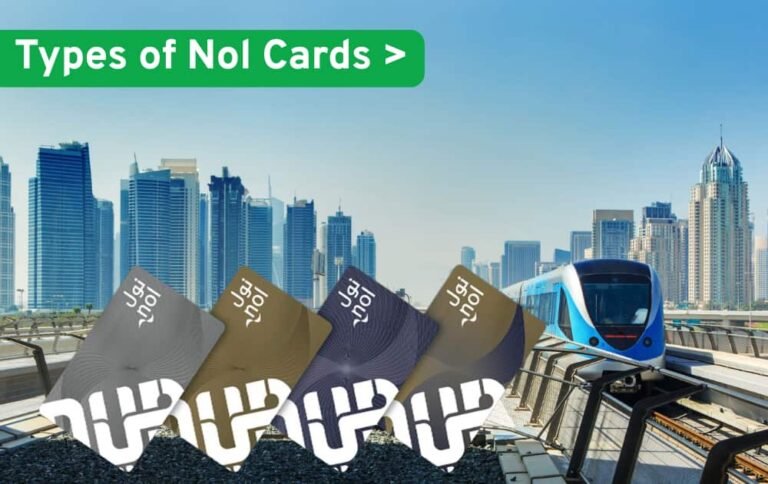
Types of Nol Cards
- Silver (best for most people)
- Gold (premium cabin access)
- Blue (personalized card)
- Red (limited use)
I personally started with the Silver card, it’s affordable and works everywhere.
How It Works
- Tap in when you enter
- Tap out when you exit
- Fare is automatically calculated
You can also use it for quick checks like Nol Card Check Balance, which saves you from awkward “insufficient balance” moments at the gate (yes, that happened to me once).
Step 2: Master the Dubai Metro
The Dubai Metro is the backbone of the city’s transport system.
What I Noticed
- Clean, fast, and fully automated
- Two main lines: Red and Green
- Connects key places like airports and downtown
If you’re new, I highly recommend studying the Dubai Metro Map before traveling. It makes route planning much easier.
Timings
- Starts around 5 AM
- Runs until midnight (longer on weekends)
Pro Tip
In my experience, avoid peak hours (7–9 AM and 5–8 PM). It gets crowded quickly.
Step 3: Using Buses for Local Travel
The Dubai Bus network is massive.
Why I Used Buses
- Reaches areas the metro doesn’t
- Connects different emirates like Sharjah and Ras Al Khaimah
What to Expect
- Air-conditioned buses
- Affordable fares
- Reliable schedules
In my experience, buses are perfect for short distances or residential areas.
Step 4: Exploring Coastal Areas with the Tram
The Dubai Tram is ideal for scenic travel.
It runs through:
- Dubai Marina
- Jumeirah Beach Residence
I actually enjoyed this ride the most — it’s slower, but the views are worth it.
Step 5: Try Traditional Water Transport
One of the most unique experiences I had was crossing Dubai Creek using an abra.
Why You Should Try It
- Costs as little as AED 1
- Authentic local experience
- Quick way to cross the creek
The Dubai Water Transport system adds a cultural touch to modern travel.
Step 6: When to Use the Palm Monorail
The Palm Monorail is not part of the main network, but it’s useful if you’re visiting Palm Jumeirah.
In my experience, it’s more of a tourist ride than a daily commute option.
Understanding Fares and Costs
Dubai uses a zone-based fare system.
Typical Costs
- Starting fare: AED 3
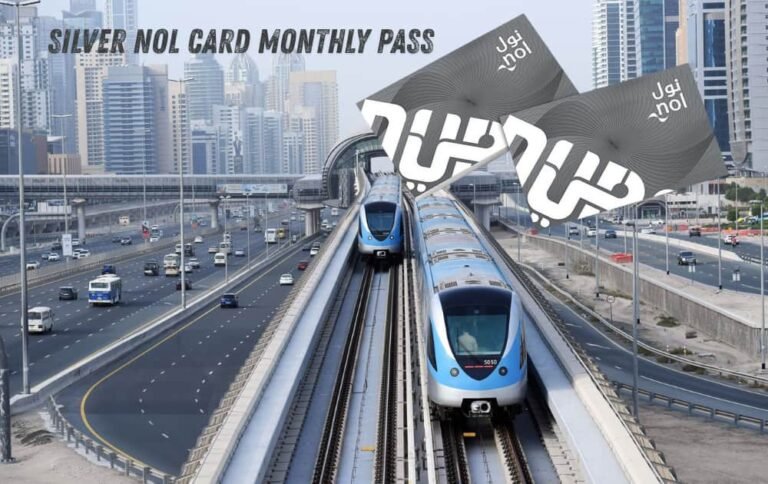
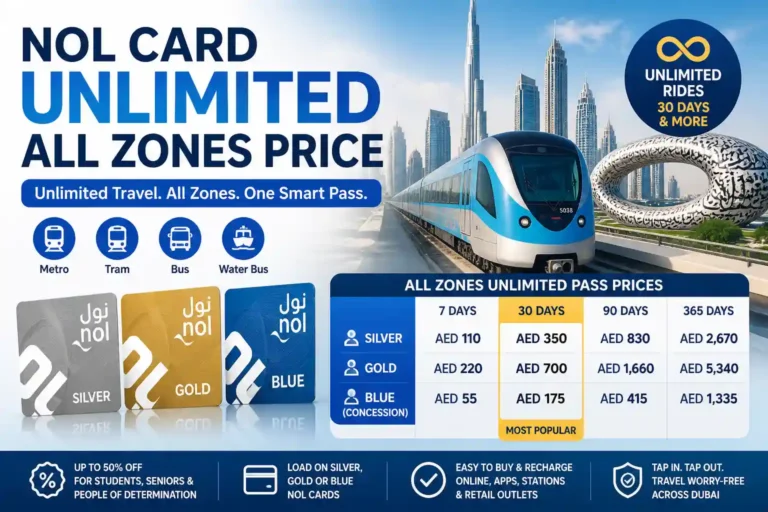
- Monthly pass (Silver): around AED 350
- Gold class: double fare
Discounts
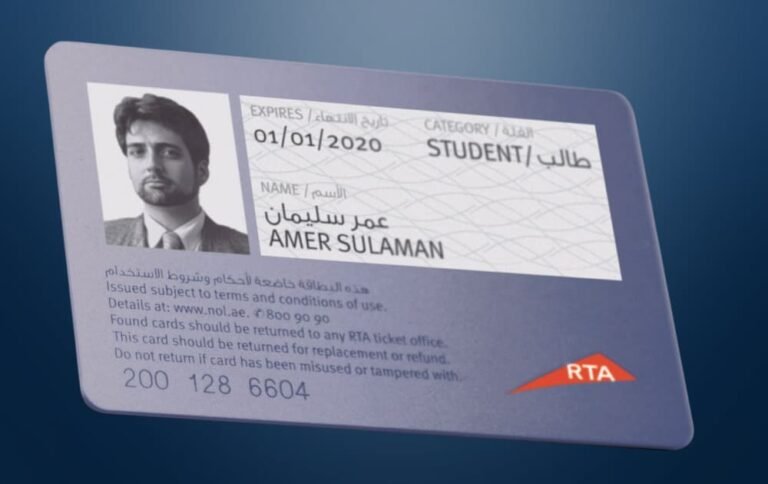
- Students
- Seniors
- People of determination
In my experience, public transport is far cheaper than taxis, especially for daily travel.
Apps That Make Travel Easier
Technology plays a huge role in Dubai transport.
Must-Have Apps
- RTA Dubai App
- Careem
I personally relied on the RTA app for:
- Route planning
- Live tracking
- Balance checking
Practical Tips I Learned the Hard Way
1. Always Keep Your Nol Card Loaded
Running out of balance can delay your trip.
2. Follow Etiquette
- No eating or drinking
- Offer seats to elderly
- Respect women-only sections
3. Plan Ahead
Arrive 5–10 minutes early for buses and metro.
4. Use Gold Class If Needed
More space during rush hours.
Is Public Transport in Dubai Good for Tourists?
Absolutely.
In my experience:
- It’s easy to understand
- English is widely used
- Signs are clear
- Stations are modern and safe
You can explore almost all major attractions without needing a car.
Why I Recommend Public Transport in Dubai
Here’s what stood out to me:
- Affordable compared to taxis
- Well-connected across the city
- Clean and modern
- Environmentally friendly
With future expansions like new metro lines, Dubai continues to improve its system.
Opportunities for Contributors
If you’re passionate about travel or city guides, many platforms even offer opportunities to Write For us and share your experiences. That’s actually how many detailed transport guides are built — from real traveler insights.
Final Thoughts: What You Should Do Next
If you’re planning a trip or moving to Dubai, don’t overthink transportation.
Start simple:
- Buy a Nol card
- Learn the metro
- Explore buses and trams gradually
In my experience, once you take your first ride, everything else becomes intuitive.
Conclusion
Dubai’s public transport system is one of the easiest to use once you understand the basics. From the efficient Dubai Metro to the cultural charm of abras, every mode offers something unique.
The key takeaway?
You don’t need a car to explore Dubai — just a Nol card and a little confidence.
Take that first step, tap your card, and start exploring the city like a local.